
11 Nov 2023
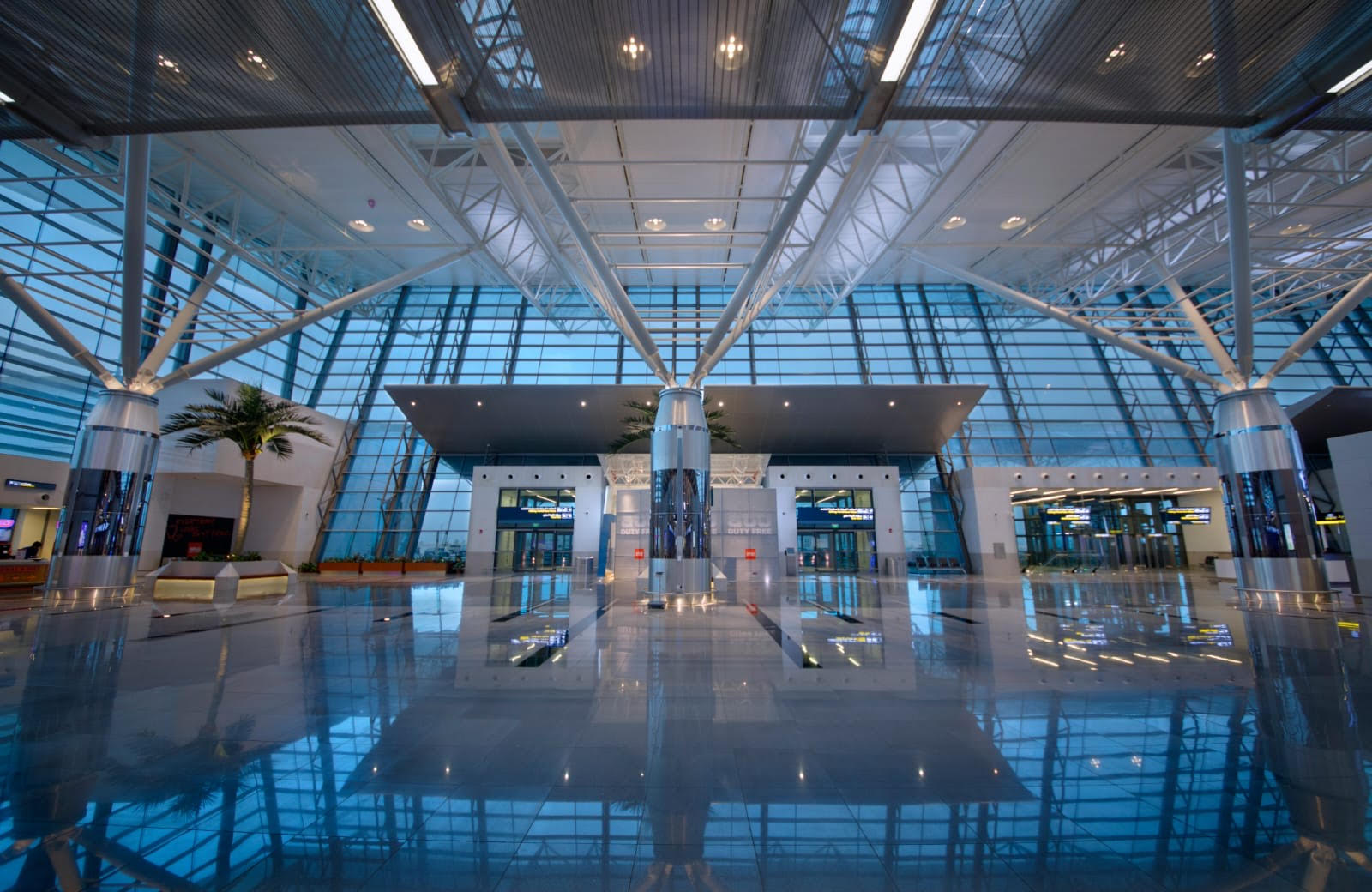
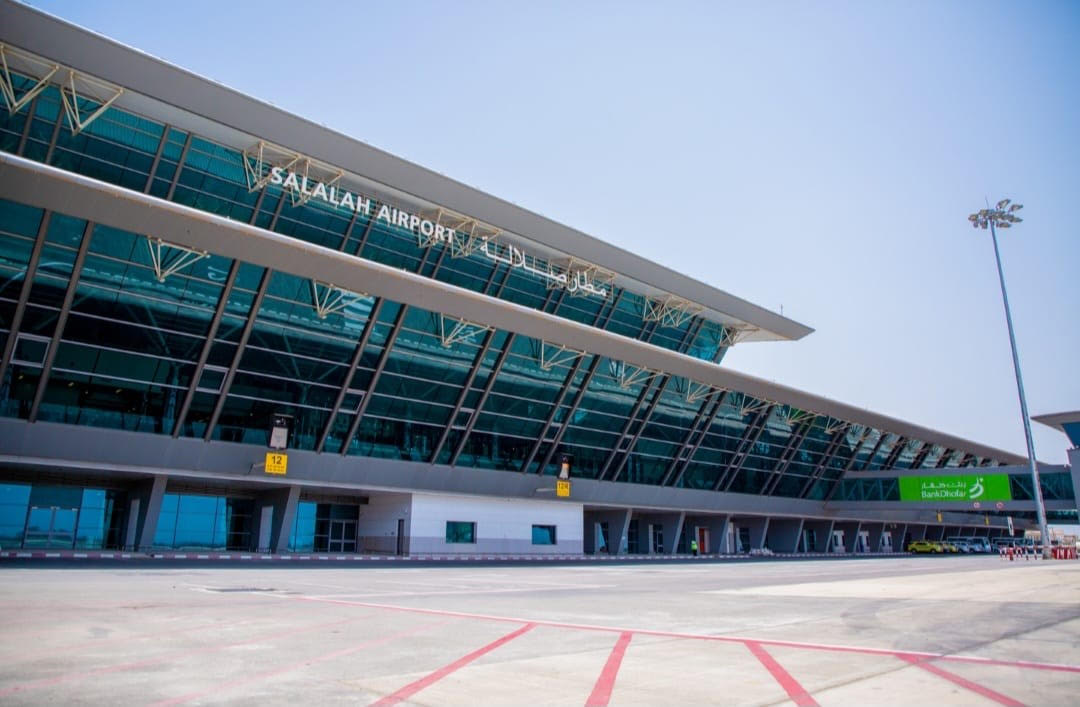
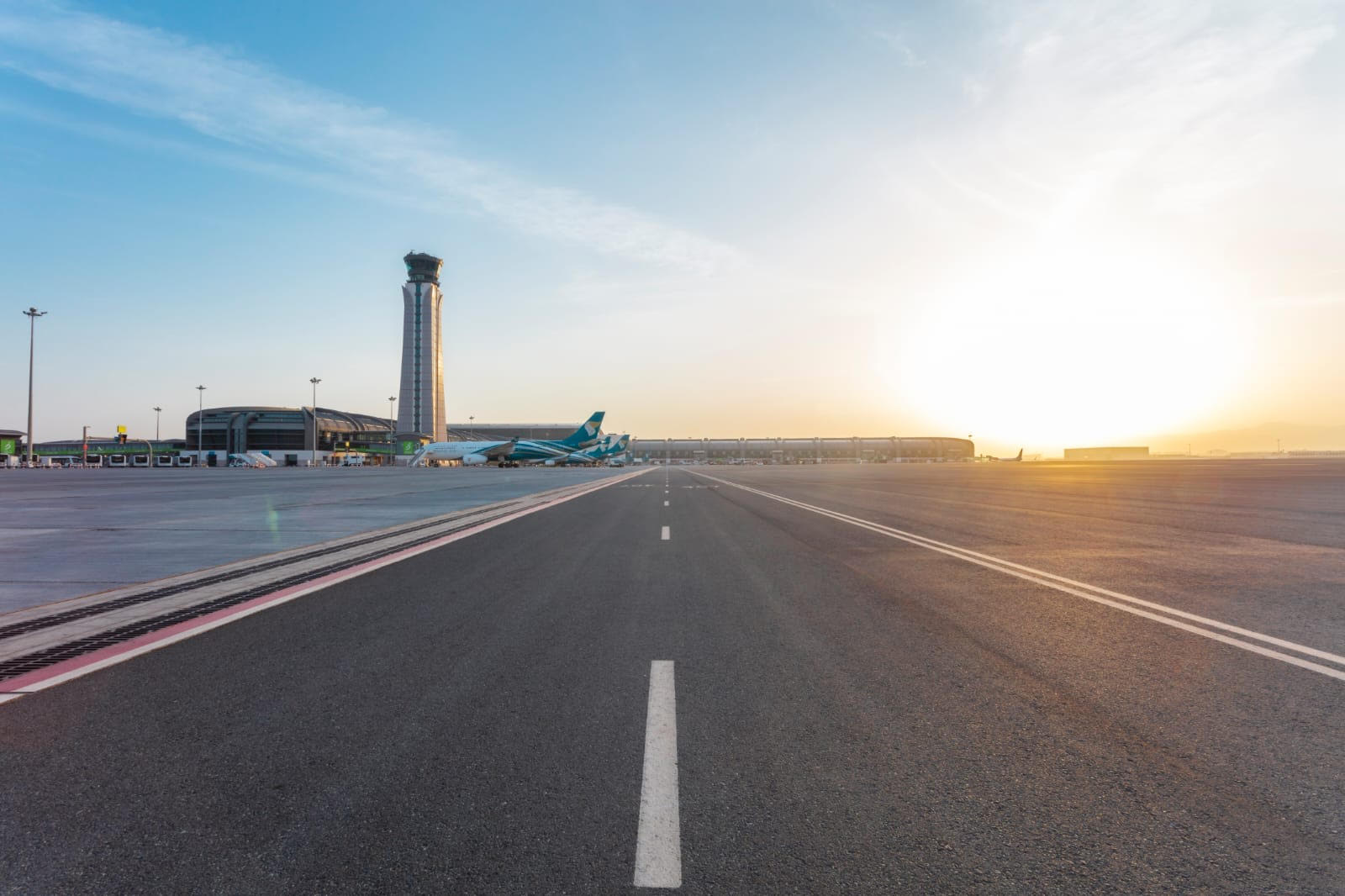
On Saturday, November 11, 2023 the Sultanate of Oman celebrated the fifth anniversary of the opening of Muscat International Airport, and the eighth anniversary of the opening of Salalah Airport. This celebration represented a culmination of the sustained success achieved by both airports, which come in line with the objectives of Oman Vision 2040.
Both airports represent gateways to success for tourism and travel in the Sultanate and an integrated and strategic dimension amid the national accomplishments achieved under the leadership of his Majesty Sultan Haitham bin Tariq – may Allah protect him – which are increasingly entrenched at all levels.
Since its opening in November 11, 2018, Muscat International Airport has jumped 52 places in the list of the best airports in the world in services and passenger satisfaction, becoming the 11th in the world and competing with other regional and international airports within its capacity category of 15-25 million passengers
Confirming its leading position in the aviation and travel sector, Muscat International Airport received top global awards after transferring its operations to the new passenger terminal building. It won the prestigious title of the Best New Pioneering Airport for 2018 during the 25th edition of the World Travel Awards ceremony hosted in Lisbon, Portugal. The airport then continued its pursuit for success at all levels in the sector. It played a positive role in responding to the Covid-19 pandemic as it was the first airport in the Middle East to obtain a health accreditation certificate for travel and safety procedures – emphasizing the endeavours of the airport family team and its partners to ensure that the airport functioned as a safe travel gateway for all the passengers during the pandemic period. In recognition of all the efforts exerted after the pandemic, the airport was awarded multiple awards, including most recently the ACI Airport Service Quality (ASQ) award in the category of airports with a capacity of 15-25 million passenger; the Skytrax Best Airport Staff Award in the Middle East, the award for the best airport in the quality of airport service by the ACI, the award for the most dedicated airport staff in serving passengers in the Middle East, the award for the easiest travel procedures in the Middle East, and the award for the cleanest airport in the Middle East. The airport has also become the first airport in the Middle East to provide a global educational roaming service, which gives the opportunity for students, researchers and academics to complete their work at the airport using the internet.
To support and encourage small and medium-size enterprises in the Sultanate, Oman Airports announced the availability of sales outlets to enterprises at Muscat International Airport, with the aim to encourage them to provide their various services throughout the venue. It is envisioned that this support will in turn strengthen the SME sector in Oman, as the spaces provided to these enterprises and entrepreneurs will mean that the airport can further be developed as a business centre that keeps pace with their owners’ aspirations for their businesses – many of which are based on technology and innovation.
Additionally, as a step to empower the creative ideas of innovators and owners of start-up companies – and also to attract investors – Muscat International Airport hosts Oman Airport’s acclaimed Innovation Lab. This laboratory provides work spaces equipped with the latest technologies and serves as an empowerment incubator for owners of innovative start-up companies. In addition, it provides approved platforms that link these SMEs with companies of technical experience as well as with various digital applications. The laboratory also provides platforms to showcase the latest technologies and establish an effective interface between start-up companies and existing technology companies.
Muscat International Airport now also functions as a platform for the competition of ideas, innovators and start-up companies, as part of the “Aerohack from Oman Airports” program, which is the first hackathon of its kind in the Sultanate that specializes in developing ideas in the airport sector. The program aims to attract an elite group of innovators, technology developers, designers, students, start-ups, small and medium-sized companies and university students, to enhance innovation in transportation and explore new horizons of constructive partnerships with innovators in this aspect, with the ultimate aim to serve the Sultanate’s airports.
Today, Muscat International Airport has become an attractive destination for emerging airlines, especially those operating within the framework of budget airlines, in light of the facilities provided by Oman Airports to regional and international airlines, while aiming to make the Sultanate a major hub for these air carriers.
In terms of environmental sustainability, Muscat International Airport, after its opening, joined many environmental programs managed by international organizations and councils. Today, the airport enjoys a Level 3 accreditation within the ACI’s carbon emissions control program and locally, the airport directly contributes to recycling agricultural waste programs by supplying the Nama Group’s “Kala” fertilizer factory. The airport facilities are also set to contain the first hybrid hydrogen station in the Sultanate in partnership with Shell Oman. Muscat International Airport also successfully obtained accreditation certificates from international organizations and institutions. It was accredited by the American Heart Association to provide courses in first aid and cardiopulmonary resuscitation, and was accredited by the Civil Aviation Authority (CAA) to hold aviation security and safety training courses. These projects and achievements clearly demonstrate the efforts made by Oman Airports and all its strategic partners to ensure the provision of the highest international standards and to create the best professional practices in the work environment for its employees to pursue the national objective of making Muscat International Airport among the finest airports in the world.
Muscat International Airport, with its three wings decorated with the designs and colours inspired by the Omani environment and its rich history and tradition – and with its distinctive interior design that evokes smooth travel movement – has now become an icon, and a distinctive aviation-architecture masterpiece in the Middle East. Furthermore, the airport’s thought-provoking design has resulted in its hosting of a permanent corner for Oman’s National Museum, in addition to the many other designs and installations inspired by the Sultanate’s regional cultures and markets.
The passenger terminal at Muscat International Airport stretches over an area of approximately 580,000 m2, and consists of three wings (3 levels for each wing) as well as a central area (5 levels) connecting the three wings. There are three main entrances leading to these levels, in addition to lounges for VIP arrivals and departures. The building includes 72 check-in counters for airline companies and 24 check-in counters for business class. It also includes two gates designated for large aircraft such as the Airbus 380 aircraft, which are in turn connected with passenger boarding bridges and 10 baggage claim conveyer belts (eight for international flights and two for domestic flights) with a capacity of 5,200 bags per hour on its total 11-kilometre-long belt. The baggage claim also provides special services for handling private aircraft. The passenger terminal building contains 40 air bridges to transport passengers to and from aircraft through 29 waiting lounges and 16 additional waiting lounges to transport the passengers via buses, when necessary, in addition to aircraft parking with a capacity of 59 spaces.
In the Dhofar Governorate in the south of Oman, Salalah Airport is considered one of the few airports having been classified in the 5-Star category since 2019. In the classification of airports with a capacity of less than 2 million passengers, Salalah Airport has also been rated by Skytrax as 6th globally in its category – and now 4th in the third quarter of 2023.
Salalah Airport is an integral part of the strategic work scheme of “Oman Vision 2024”. In addition to being a modern architectural icon, it represents a pivotal link between the Dhofar Governorate and the rest of the Sultanate’s governorates. It is also another celebrated “Omani gateway to the world”.
Since its opening in November 2015 until today, the airport has won a number of international and regional awards, as well as the ACI’s carbon accreditation certificate, which was upgraded to the third level in May 2023. In March 2023, it also received, for the fifth year, a five-star rating by the Skytrax World Airports Classification 2023. This came in recognition of Salalah Airport’s ongoing and distinguished efforts to enhance performance, and as a result of its constant endeavours to achieve the highest levels of operational excellence.
Salalah Airport has also received four esteemed awards: the Best Airport Award in the Two Million Passengers category in the Middle East, the Most Dedicated Airport Staff Award in Serving Passengers in the Middle East, the Easiest Travel Procedures Award in the Middle East, and the Cleanest Airport in the Middle East Award within the International Airport Service Quality (ASQ) Awards for 2022. In September 2022, the Airport also won the “Best Airport in the Middle East” award in terms of quality of services, and the third-place award for the “Best Airports in the Middle East” in terms of safety measures during the Covid-19 pandemic between 2020 and 2022. The Airport also ranked 9th in the category of airport service quality for less than two million passengers annually.
Salalah Airport, within a short period of time and since the start of its operations in 2015, has been able to achieve a high percentage of passenger numbers, whether for local, regional or international airlines that operate direct scheduled flights, or for charter flights making use of the airport.
Salalah Airport witnessed an increase in air traffic during the 2023 Khareef season by 29% in total air traffic and by 34.4% in the number of passengers. In 2023, air traffic at the airport soared during the months of July and August to reach around 3,168 flights (compared to 2,455 flights in the same period last year). On September 7, 2023, Salalah Airport was also able to connect sea/air freight operations between Salalah Airport and the Port of Salalah, which is one of the largest seaports in the Middle East. This logistics support connection was a first-of-its-kind for the Sultanate. It is noteworthy that Salalah Airport was designed in accordance with the latest global systems and equipped with modern technologies to be an important tributary at the levels of the economy and tourism sector in the Dhofar Governorate, and the Sultanate in general.
Today, Salalah Airport plays a major role in enhancing tourism and travel within the Dhofar Governorate – which is well-known as an attractive and year-long tourism destination. The total area of the airport is 65,000 m2, and it can handle up to 2 million passengers per annum, with the potential to expand this in the future to reach 6 million annually.

Copyright © 2026 All Rights Reserved.